Unlocking Creativity: A Guide to Watercolor Sublimation Deer Designs for Digital and Physical Projects
In the rapidly evolving world of digital design and DIY crafting, finding assets that bridge the gap between aesthetic beauty and technical versatility is crucial. One such asset that has captured the imagination of creators worldwide is the watercolor sublimation deer. This specific design niche combines the soft, organic feel of traditional watercolor painting with the high-precision requirements of modern sublimation printing. Whether you are a seasoned graphic designer, a hobbyist scrapbooker, or an entrepreneur looking to launch a line of custom apparel, understanding how to utilize these assets can significantly elevate your work.
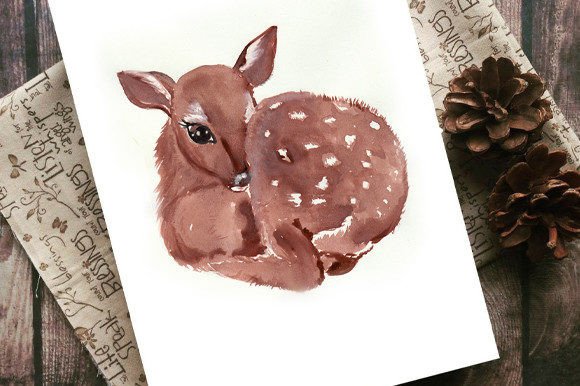
The appeal of watercolor art lies in its fluidity and emotional resonance. When applied to the motif of a deer—a symbol often associated with grace, nature, and tranquility—the result is a visually striking image that fits seamlessly into various creative contexts. However, the true value of these designs extends beyond their visual appeal. They are engineered for functionality, typically provided as high-resolution PNG files at 300 DPI, ensuring crisp quality whether used on a small planner sticker or a large fabric print.
The Intersection of Art and Technology
To fully appreciate the utility of watercolor sublimation deer designs, it is essential to understand the technology behind them. Sublimation is a printing process that uses heat to transfer dye onto materials such as polyester, polymer-coated substrates, and ceramics. Unlike traditional screen printing, sublimation allows for full-color, photo-quality images that become part of the material rather than sitting on top of it. This means the design will not crack, peel, or fade easily.
For this process to work effectively, the source image must be of exceptional quality. This is where the specification of 300 DPI (dots per inch) becomes critical. DPI refers to the resolution of an image. A low-resolution image may look acceptable on a computer screen but will appear pixelated and blurry when printed on physical objects. By providing watercolor deer designs at 300 DPI, creators ensure that every brushstroke and color gradient is preserved, resulting in a professional finish.
Furthermore, these designs are often packaged with specific elements to maximize flexibility. A typical pack might include five distinct elements and two unique patterns, along with three separate PNG files. This variety allows users to mix and match components, creating custom compositions that suit their specific project needs. For instance, one might use a standalone deer element for a logo overlay while utilizing the accompanying pattern for a background texture in a web design project.
Practical Applications in Modern Design
The versatility of watercolor sublimation deer assets makes them suitable for a wide array of applications. Below, we explore how these designs can be integrated into both digital and physical projects.
- Digital Scrapbooking and Planners: Digital planning has surged in popularity, with users customizing PDF planners on tablets. Watercolor deer elements add a touch of elegance and personalization to monthly spreads, habit trackers, and journal covers. The transparent background of PNG files allows for easy layering over other digital papers or photos.
- Web Design and Blogging: For lifestyle, nature, or wellness blogs, these images serve as perfect headers, featured images, or decorative overlays. Their soft color palettes complement minimalist web layouts without overwhelming the text content.
- Logo Creation: Small businesses, particularly those in the eco-friendly, yoga, or outdoor sectors, can use watercolor deer motifs as part of their branding. The organic feel of watercolor conveys authenticity and connection to nature.
- Physical Scrapbooking: Beyond the digital realm, these designs can be printed on sticker paper or cardstock for traditional scrapbooks. The high resolution ensures that even when printed at smaller sizes, the details remain sharp.
Expanding Into Fabric and Surface Printing
One of the most exciting aspects of sublimation-ready designs is their application in textile and hard surface printing. The watercolor deer patterns included in these packs are specifically optimized for repeating prints on fabrics. This opens up possibilities for creating custom home decor items such as throw pillows, curtains, and table runners.
When printing on fabrics, it is important to note that sublimation works best on polyester or polymer-coated materials. The dye bonds with the synthetic fibers, resulting in vibrant, long-lasting colors. The soft blends of the watercolor style translate beautifully onto fabric, avoiding the harsh lines that can sometimes occur with vector-based graphics. This makes the final product feel more artistic and handcrafted.
Beyond fabric, these designs can be sublimated onto mugs, phone cases, coasters, and metal plates. The key is to ensure the surface has a polymer coating. For example, a white ceramic mug with a polymer coat can be transformed into a unique gift item featuring a serene watercolor deer. The 300 DPI resolution ensures that the image wraps around the curve of the mug without losing clarity.
Common Misconceptions About Sublimation Assets
Despite their popularity, there are several misunderstandings regarding the use of sublimation designs. Clarifying these can help beginners avoid common pitfalls.
- Misconception: Any image can be used for sublimation.
Reality: Not all images are created equal. Images must be high-resolution (300 DPI) and ideally in PNG format with a transparent background to allow for flexible placement. JPEGs with white backgrounds require extra editing steps to remove the background, which can compromise quality. - Misconception: Watercolor designs will look washed out after printing.
Reality: While watercolor is inherently light and airy, proper color profiling and printer settings can ensure vibrant results. The key is to use high-quality sublimation ink and paper. The digital file itself should be bright and saturated to account for any slight color shift during the heat press process. - Misconception: These designs are only for professional designers.
Reality: User-friendly formats like PNG make these assets accessible to beginners. With basic software like Canva, Photoshop, or even free alternatives like GIMP, anyone can incorporate these elements into their projects. The pre-made patterns and elements reduce the learning curve significantly.
Enhancing Your Creative Workflow
Incorporating watercolor sublimation deer designs into your workflow can save time and enhance creativity. Instead of starting from scratch, you can leverage these pre-designed elements to focus on composition and layout. This is particularly beneficial for small business owners who need to produce content consistently.
For educators and students, these assets can be used in presentations, posters, and educational materials related to art, nature, or design technology. They provide a real-world example of how digital art intersects with manufacturing processes. Understanding the requirements of sublimation printing teaches valuable lessons about resolution, color theory, and material science.
Moreover, the trend towards personalized and handmade goods continues to grow. Consumers are increasingly seeking unique items that reflect their individual tastes. By using versatile assets like watercolor deer patterns, creators can offer customized products that stand out in a crowded market. Whether it is a custom planner sticker set or a bespoke piece of wall art, the ability to manipulate and adapt these designs gives creators a competitive edge.
Final Thoughts on Choosing the Right Assets
When selecting watercolor sublimation assets, always check the license agreement to ensure it covers your intended use, whether commercial or personal. Look for packs that offer multiple formats and resolutions to future-proof your purchases. The combination of five elements, two patterns, and three high-resolution PNGs provides a robust toolkit for any creative endeavor.
In conclusion, watercolor sublimation deer designs represent more than just pretty pictures; they are functional tools that empower creators to produce high-quality, professional-grade work. By understanding the technical requirements and exploring the diverse applications—from digital planning to fabric printing—you can unlock new levels of creativity in your projects. Embrace the blend of traditional artistry and modern technology, and let these versatile designs inspire your next masterpiece.