Neuron Cells and Green Leaves Vector Art
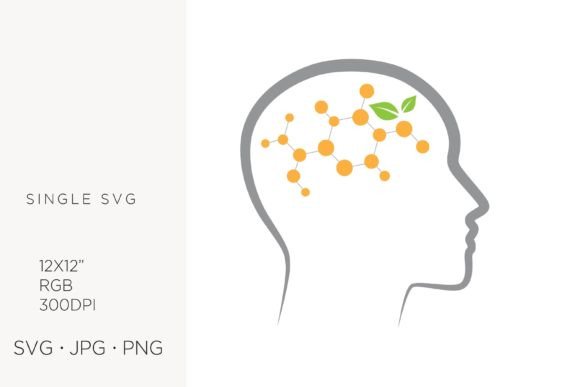
The intersection of biology and botany creates a striking visual metaphor that resonates with modern audiences. The Neuron Cells and Green Leaves design captures this unique blend, merging the intricate, electric pathways of the human brain with the organic, life-sustaining structure of foliage. For creators, designers, and small business owners, this single vector artwork offers more than just an aesthetic appeal; it provides a versatile digital asset that bridges the gap between scientific curiosity and natural beauty.
Understanding the value of this graphic requires looking beyond its immediate appearance. It is a tool designed for flexibility. Whether you are crafting a brand identity for a wellness startup or designing a thoughtful handmade card, this artwork serves as a foundational element that communicates growth, connection, and vitality. The file package is optimized for professional use, ensuring that your final product looks crisp and polished regardless of the medium.
Why This Design Resonates with Modern Creators
In today’s visual landscape, audiences are drawn to imagery that tells a story. The combination of neural networks and leaf veins suggests a deep connection between mind and nature. This theme is particularly powerful for entrepreneurs in the health, education, and sustainability sectors. Using Neuron Cells and Green Leaves in your projects allows you to tap into these universal themes without needing to commission custom illustration work from scratch.
The appeal lies in its duality. On one hand, the neuron represents intelligence, complexity, and human potential. On the other, the green leaves symbolize growth, renewal, and environmental consciousness. When combined, they create a balanced composition that feels both smart and grounded. This makes the artwork suitable for a wide demographic, from students studying biology to professionals marketing eco-friendly products.
For beginners in graphic design, working with pre-made vector elements reduces the learning curve significantly. Instead of struggling with shape tools and pen paths, you can focus on layout, color theory, and typography. This efficiency allows you to produce high-quality work faster, which is essential for freelancers managing tight deadlines or hobbyists looking to create personal gifts without spending weeks on design.
Technical Quality and File Versatility
A digital asset is only as good as its technical specifications. This artwork is provided in a comprehensive zip file that includes three distinct formats, each serving a specific purpose in your creative workflow. Understanding how to use these files ensures you get the best results for your specific project needs.
- SVG File: Scalable Vector Graphics are ideal for web design and logo creation. Because they are math-based rather than pixel-based, you can resize them infinitely without losing quality. This is perfect for responsive websites where images need to look sharp on both mobile phones and large desktop monitors.
- JPG File (300 DPI): This high-resolution raster image is best for standard printing tasks where a transparent background is not required. It works well for full-page prints, photo books, or digital presentations where file compatibility is a priority.
- PNG File (300 DPI): With a transparent background, this file is incredibly useful for layering. You can place the Neuron Cells and Green Leaves graphic over colored backgrounds, textures, or photographs without any unsightly white boxes around the edges. It is essential for creating professional-looking invitations, social media graphics, and composite designs.
All files are rendered at 300 DPI in the RGB color palette. While RGB is primarily used for digital screens, the high resolution ensures that if you choose to print at home or through a standard digital printer, the details remain sharp. The 12x12 inch artboard size provides a square canvas that is particularly friendly for social media posts, album covers, and square-format print materials like coasters or tiles.
Practical Applications for Business and Personal Use
The versatility of this single vector artwork means it can be adapted to numerous contexts. Here are several realistic ways you can integrate this design into your creative or commercial projects.
Branding and Identity
For coaches, therapists, or educational consultants, this image can serve as a central motif in logo design. It communicates a holistic approach to mental health or learning. You might use the SVG file to create a clean, minimalist logo for a website header, then use the PNG version for watermarks on digital resources or PDF guides.
Stationery and Paper Goods
Printed paper items benefit greatly from high-resolution graphics. You can use the JPG or PNG files to design unique invitation cards for weddings, birthdays, or corporate events. The organic feel of the leaves softens the clinical look of the neurons, making it appropriate for celebrations that value both elegance and meaning. Handmade cards become instantly more professional when layered with this detailed artwork.
Home Decor and Wall Art
Interior design enthusiasts often look for art that sparks conversation. Printing this design on canvas, metal, or high-quality paper can create striking wall art for offices, study rooms, or living spaces. The 12x12 inch format fits perfectly into standard square frames, allowing for easy gallery wall arrangements. You can experiment with color overlays to match existing room decor, turning a black-and-white line art piece into a vibrant focal point.
Digital and Web Design
Bloggers and web designers can use the SVG file to add subtle decorative elements to their sites. It works well as a section divider, a background pattern, or an icon for service pages related to consulting or coaching. Because the file size is small and scalable, it won’t slow down your website loading times, which is crucial for user experience and SEO.
Important Considerations Before Use
While the Neuron Cells and Green Leaves artwork is ready to use, there are a few practical things to keep in mind to ensure the best outcome. First, consider your color strategy. Since the base files are likely monochrome or limited in color, think about how you will recolor them to fit your brand palette. Most vector editing software allows you to change colors easily, but planning this beforehand saves time.
Second, respect licensing terms. Always check the specific license included with your download to understand whether the artwork can be used for commercial products you intend to sell, such as printed t-shirts or mugs. Many licenses allow for end-product sales but prohibit reselling the digital file itself.
Finally, think about scale. While the SVG is infinitely scalable, the JPG and PNG files are fixed at 300 DPI. If you plan to print larger than 12x12 inches, ensure you do not stretch the raster files beyond their limits, as this will cause pixelation. For large-format prints like banners, always rely on the SVG file or contact the creator for a higher-resolution raster option if needed.
By leveraging this high-quality digital asset, you save time and elevate the visual impact of your projects. Whether you are a seasoned designer or a beginner exploring creative hobbies, Neuron Cells and Green Leaves offers a sophisticated, meaningful element that enhances any composition it touches.