Bridging Nature and Digital Precision: The Strategic Value of Tiger Vector Art in Modern Design
In the rapidly evolving landscape of digital creation, the intersection of Technology and artistic expression has never been more critical. For professionals, creators, and entrepreneurs, the demand for high-quality, versatile visual assets is driving a shift away from static imagery toward scalable, adaptable formats. At the forefront of this movement is the use of Vector graphics, specifically intricate designs like the Tiger motif. This combination is not merely an aesthetic choice but a strategic asset for those looking to streamline workflows while maintaining premium quality across diverse media.
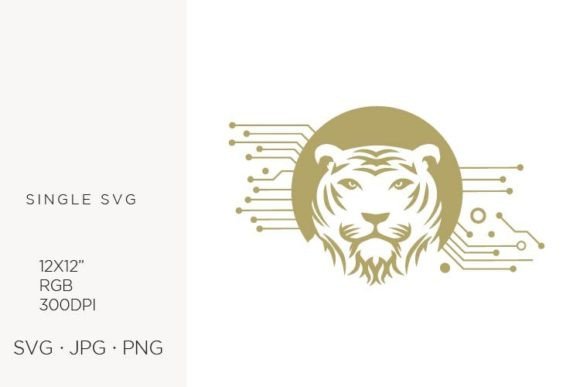
The modern creative economy thrives on efficiency and adaptability. Whether you are a freelance graphic designer crafting a brand identity or a small business owner producing handmade craft items, the tools you choose define your output's potential. A single, well-constructed SVG artwork featuring a tiger offers a unique solution to the common problem of asset fragmentation. By leveraging a high-resolution, 300 DPI RGB color palette file set that includes SVG, JPG, and transparent PNG formats, creators can seamlessly transition from web design to physical print without losing fidelity.
The Evolution of Digital Assets in Professional Workflows
Historically, designers had to maintain separate files for different applications. A logo designed for a website might look pixelated when printed on a large banner, and a photograph suitable for a magazine cover might be too heavy for a mobile app. This inefficiency is where Technology steps in to bridge the gap. The adoption of vector-based workflows allows for infinite scalability. Unlike raster images, which are composed of pixels, vectors are defined by mathematical paths. This means a Tiger illustration can be shrunk to fit a business card or enlarged to cover a wall mural without any loss in clarity.
For marketers and web designers, this flexibility is invaluable. The ability to use a single Vector file across multiple platforms reduces storage needs and simplifies version control. When a client requests a change in color or size, the adjustment is instantaneous and non-destructive. This responsiveness aligns with the broader industry trend toward agile development and rapid prototyping. Professionals are no longer just creating static images; they are building dynamic visual systems that can adapt to various consumer touchpoints.
Why the Tiger Motif Resonates in Contemporary Design
Choosing the right subject matter is as important as selecting the right format. The Tiger is a powerful symbol in global culture, representing strength, courage, and vitality. In branding and lifestyle products, these attributes are highly desirable. Entrepreneurs and creators often seek imagery that conveys confidence and energy, making the tiger an ideal candidate for logos, announcements, and party decor. However, the appeal goes beyond symbolism. The intricate patterns of a tiger’s stripes provide a excellent testbed for demonstrating the precision of Vector technology.
When rendered correctly, a tiger vector showcases the capabilities of modern design software. Clean lines, smooth gradients, and balanced composition are essential for professional-grade outputs. This level of detail ensures that the artwork remains impactful whether it is used on a small stationery item or a large printed paper product. The versatility of the tiger motif allows it to fit into various niches, from rugged outdoor brands to elegant, nature-inspired home decor.
Practical Applications Across Industries
The utility of a comprehensive digital graphics package extends far beyond simple image insertion. Consider the following practical examples of how professionals and enthusiasts can leverage a 12x12 inch artboard design with 300 DPI resolution:
- Brand Identity and Logo Design: Startups and established businesses alike can use the tiger SVG as a central element in their logo. The scalability ensures the logo looks crisp on favicons, social media profiles, and large-scale signage.
- Handmade Craft Items: Artisans creating handmade cards or invitations can utilize the PNG file with a transparent background to layer the tiger image over textured papers or complex backgrounds without white edges interfering with the design.
- Wall Art and Home Decor: Interior designers and DIY enthusiasts can print the high-resolution JPG or SVG on canvas or metal prints. The 300 DPI resolution ensures that the fine details of the tiger’s fur and eyes remain sharp, enhancing the visual impact of the room.
- Stationery and Invitations: For wedding planners and event coordinators, the tiger motif can add a unique touch to announcement cards and party decor. The RGB color palette ensures vibrant colors that stand out on high-quality cardstock.
- Web and Graphic Design: Web developers can embed the SVG code directly into HTML, allowing for interactive elements such as color changes on hover. This reduces load times compared to large image files and improves user experience.
These applications highlight how a single asset can serve multiple purposes, reducing the need for creators to purchase or create separate files for each project. This consolidation of resources is a key trend in the gig economy, where freelancers must maximize their efficiency to remain competitive.
Technical Specifications and Quality Assurance
Understanding the technical aspects of digital files is crucial for achieving professional results. The provided zip file includes three distinct formats, each serving a specific purpose in the creative workflow:
- SVG File: This is the core Vector format. It is ideal for web use and scalable printing. Because it is code-based, it can be edited using text editors or design software, allowing for complete customization of colors and shapes.
- JPG File (300 DPI): This raster format is best for photographic prints and situations where transparency is not required. The 300 DPI resolution ensures high-quality output for physical products like posters and brochures.
- PNG File (300 DPI Transparent Background): This format combines high resolution with transparency, making it perfect for overlaying the tiger image onto other designs without background interference. It is widely used in digital compositing and print-on-demand services.
The artboard size of 12x12 inches provides a square canvas that is versatile for social media posts, album covers, and square prints. The RGB color palette is optimized for digital screens, ensuring that colors appear vibrant and accurate on monitors, tablets, and smartphones. For print purposes, creators should be aware of the difference between RGB and CMYK, but the high resolution of the provided files allows for easy conversion if necessary.
Meeting Changing Consumer Expectations
Consumers today are more discerning than ever. They expect high-quality visuals across all touchpoints, from the website they browse to the packaging they receive. This expectation drives the need for creators to adopt tools that ensure consistency and quality. Using a professional-grade Tiger Vector asset helps meet these expectations by providing a polished, cohesive look that enhances brand perception.
Moreover, the rise of personalized products has increased the demand for customizable design elements. Customers want items that reflect their individuality, whether it is a custom invitation with a unique animal motif or a personalized piece of wall art. The flexibility of vector graphics allows creators to offer these personalized options without significant additional effort. By adjusting colors or adding text to the SVG file, designers can quickly generate unique variations that appeal to specific customer segments.
In conclusion, the integration of Technology, symbolic imagery like the Tiger, and the precision of Vector graphics represents a powerful tool for modern creators. It addresses the need for efficiency, quality, and versatility in a competitive market. By understanding and leveraging these digital assets, professionals and enthusiasts can enhance their creative output, streamline their workflows, and deliver exceptional value to their clients and audiences. As the digital landscape continues to evolve, the ability to adapt and utilize such resources will remain a key differentiator for success in the creative industries.